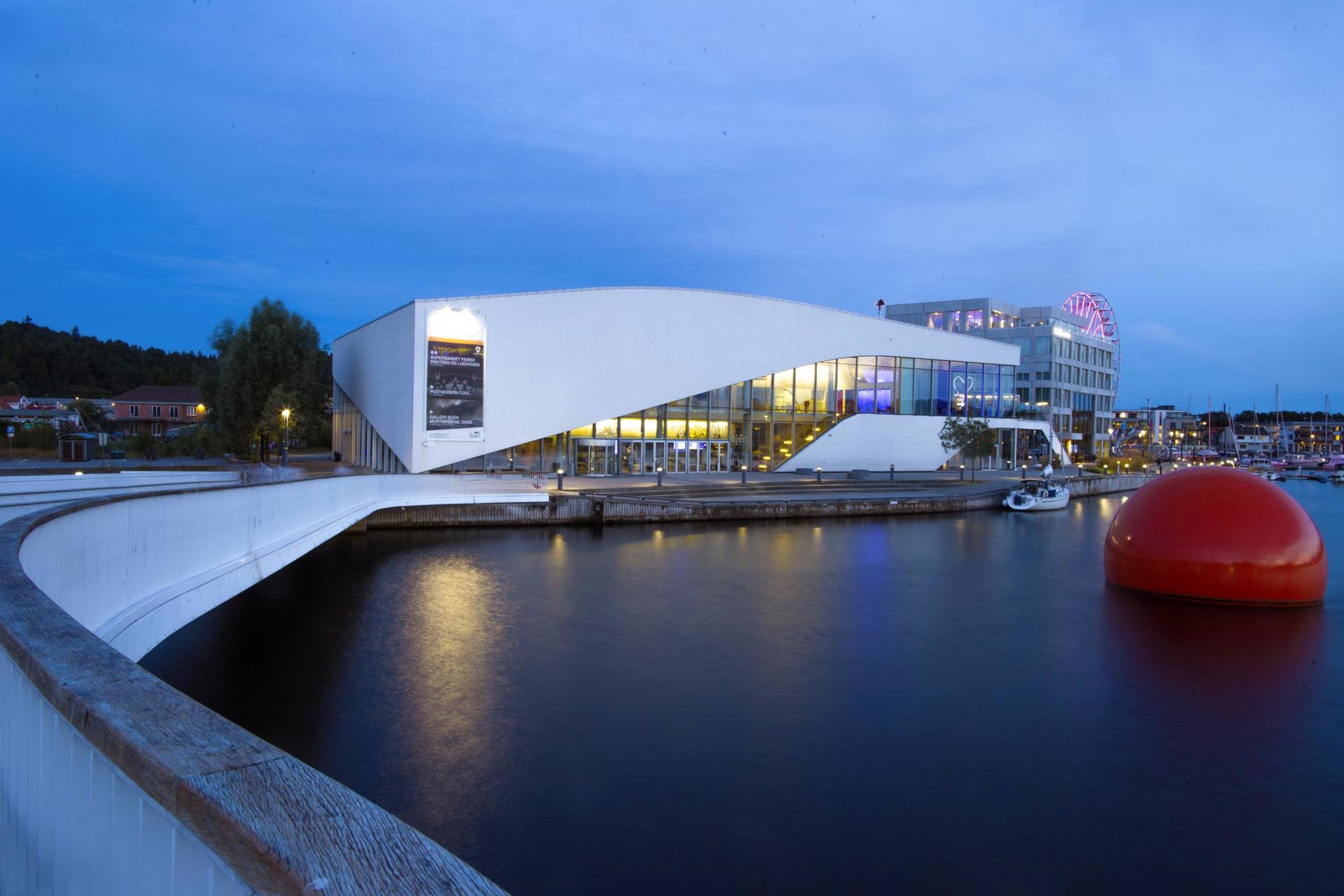
Buen kulturhus in Mandal

SALAR Conversations

The courage to listen.

Friday 28 May 2027

Buen kulturhus

Mandal, Norway

08:30–17:00

One connected water system. Many different perspectives.

Wild Atlantic salmon connects rivers, fjords, coasts and oceans. SALAR Conversations brings together people who see that system differently.

Not to agree. Not to convince. But to listen, especially when we disagree.

First voices of SALAR Conversations

The people who join SALAR bring different experiences, interests and convictions. Some perspectives may feel familiar. Others may challenge the way we see the world.

These are the first voices. More will follow.

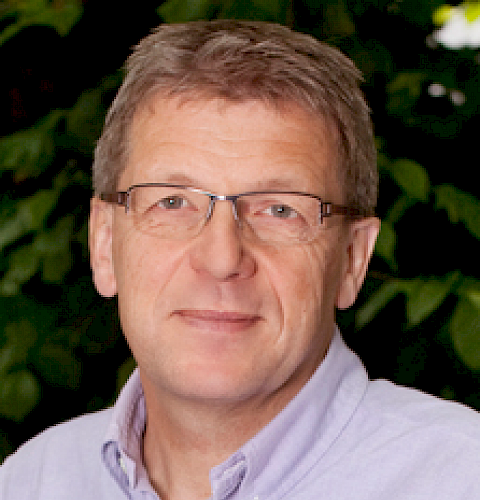
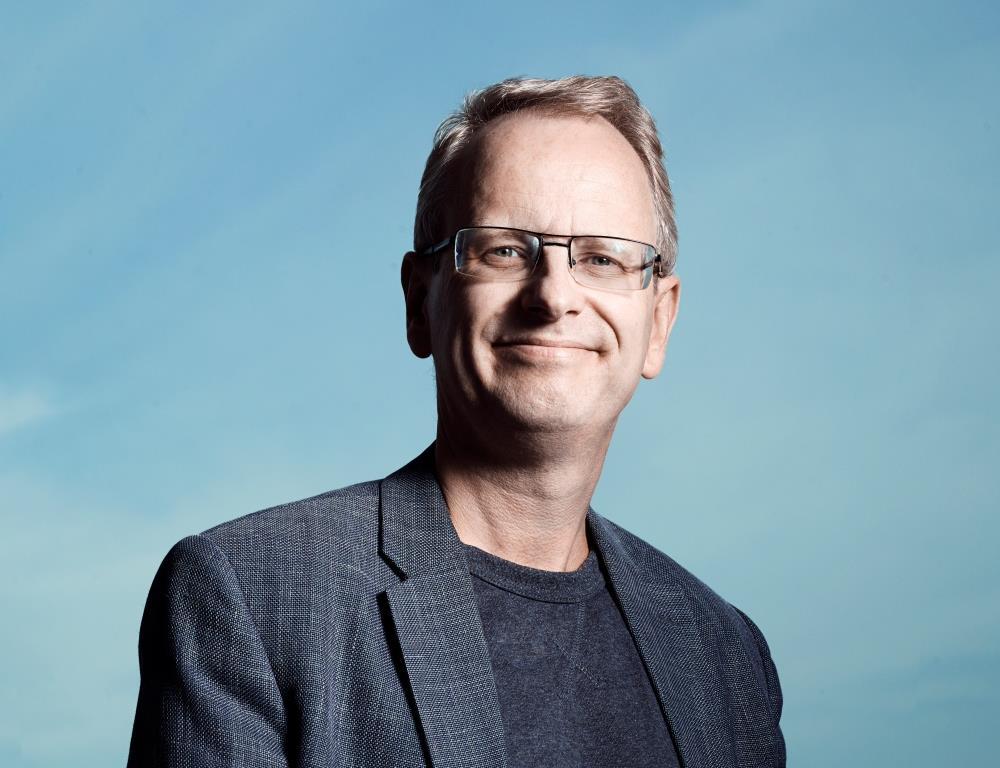
Portrait of Henrik Syse

Henrik Syse

Research Professor

Peace Research Institute Oslo (PRIO)

Norway

Henrik Syse is a philosopher and Research Professor at PRIO. He has written and taught extensively on ethics and responsibility, served as Vice Chair of the Norwegian Nobel Committee, and previously worked with ownership and ethics at Norges Bank Investment Management.

What does stewardship ask of us?

What does it mean to carry responsibility for something we do not own? Henrik opens SALAR with the ethical question behind the programme: what do we owe nature, one another and those who come after us?
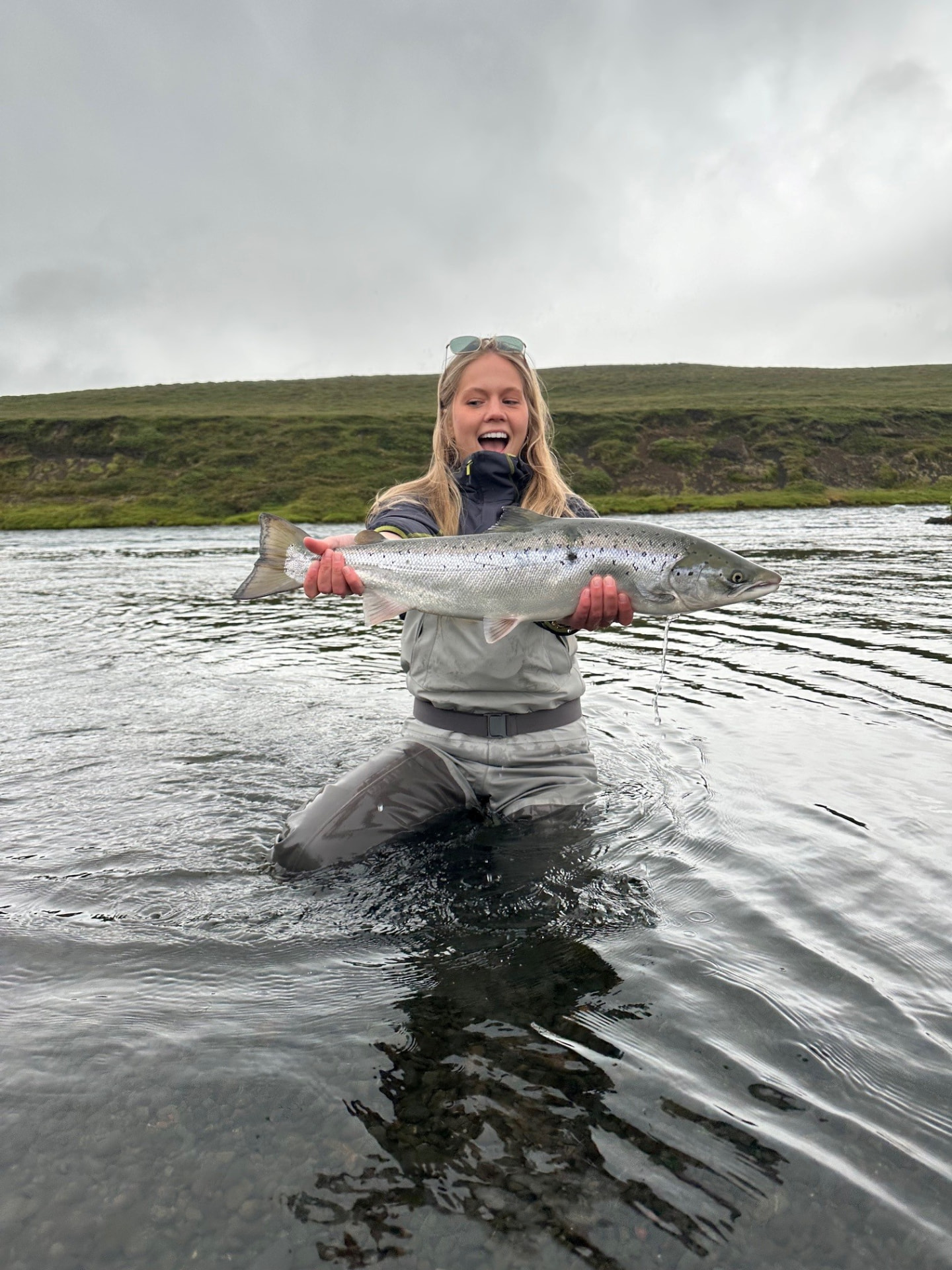
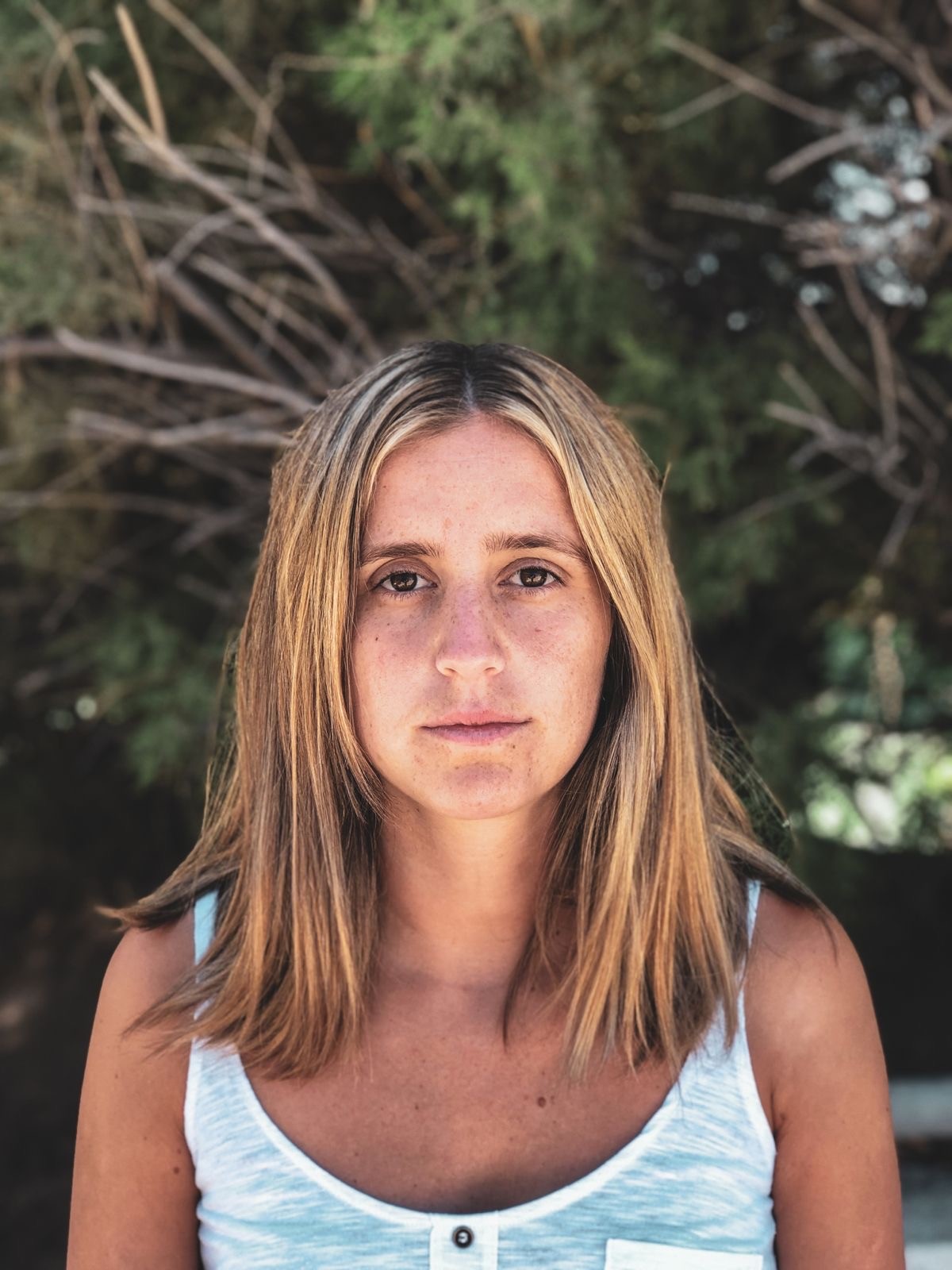
Portrait of Andrea Ósk Hermóðsdóttir

Andrea Ósk Hermóðsdóttir

Fishing Guide

Laxá

Iceland

Andrea Ósk Hermóðsdóttir grew up close to Laxá í Aðaldal in northern Iceland, a river that has shaped her family, her work and her sense of place. Today she works as a fishing guide on the same river. She brings the perspective of a younger generation growing up with wild Atlantic salmon as part of everyday life, while facing growing uncertainty about whether that relationship will still be there in the future.

Can you inherit a river without its salmon?

A personal story about river, family, guiding and inheritance. About what it means to care for something that has shaped a place for generations, and to realise that it can no longer be taken for granted. What disappears when the salmon does?

Portrait of Catalina Cendoya

Catalina Cendoya

Director

Global Salmon Farming Resistance (GSFR)

Argentina

Catalina Cendoya is Director of the Global Salmon Farming Resistance, an international alliance working to end industrial open-net salmon farming. She has a background in political science and government and leads international collaboration, strategy, and advocacy across a network of more than 140 groups in 20 countries.

Different Coasts. The Same Questions.

Catalina brings an uncompromising perspective on open-net salmon farming, drawing on campaigns led by communities and organisations across different countries. She focuses on environmental impact, community resistance, political choices, and on why incremental improvements have never been the answer. The goal is to get open-net farms out of the ocean.

Portrait of Lynne U. Sneddon

Lynne U. Sneddon

Professor

University of Gothenburg

Sweden

Lynne U. Sneddon is Professor at the University of Gothenburg and a leading researcher in aquatic animal welfare. Her work examines pain, stress, behaviour and welfare in fish, and how scientific evidence should inform the way humans interact with aquatic animals.

Can we protect salmon while still fishing for them?

Salmon fishing is part of culture, recreation and conservation. Lynne brings the perspective of the fish into the conversation, asking what pain, stress and welfare mean for catch and release, and what responsibility looks like when wild salmon populations are already under pressure.

Portrait of Ståle Navrud

Ståle Navrud

Professor of Environmental and Resource Economics

NMBU

Norway

Ståle Navrud is Professor of Environmental and Resource Economics at the Norwegian University of Life Sciences (NMBU). He specialises in valuing biodiversity, ecosystem services and environmental impacts, and has contributed to international work under IPCC, IPBES and the UN World Ocean Assessment.

What is nature worth when the market says zero?

Rivers, biodiversity, recreation and living ecosystems carry enormous value, yet much of it never appears in a market price, investment calculation or balance sheet. Ståle asks what changes when those values are made visible.

The programme is taking shape.

December 2026
Full programme announced
2 January 2027
Registration opens

The conversation continues

SALAR Conversations brings the difficult questions into the shared room.

Later, SALAR Open houses create smaller settings where sectors, communities and organisations can respond, add context and continue the conversation.

Explore SALAR Open houses →

The full programme will be published as conversations and participation are finalised.